


Oxygen Facial Toronto: Instant Glow & Acne Care
Toronto’s climate is notoriously unforgiving on your complexion. From the bone-dry, dehydrating winters to the humid, pollutant-heavy summers in the GTA, your skin constantly battles environmental stress that leaves it looking dull and fatigued. If you have an important event or simply want to reclaim your radiance without the peeling or redness of traditional treatments, an oxygen facial Toronto is your “red carpet” solution for immediate luminosity.
In this guide, we will explore the pressurized science behind oxygenation and how it acts as a protective shield against urban smog. You will also discover why this treatment is a secret weapon for those struggling with persistent breakouts. At Eco Lilly Spa, we specialize in these botanical-infused results, helping you achieve a clearer, more vibrant glow right here in the heart of Toronto.
In this article, we’ll walk you through exactly what melasma is, what causes it, how to recognize its signs, and most importantly how to treat it effectively with the help of professional care.
Whether you’re struggling with hormonal pigmentation or long-term sun damage, Eco Lilly Spa is here to help you restore a brighter, more even complexion with gentle, proven solutions.
The Science of Oxygen Infusion: How It Works
Unlike standard facials where products sit on the skin’s surface, the advanced treatments locals love rely on a specialized delivery mechanism. We use pressurized hyperbaric oxygen to “push” a customized cocktail of low-molecular-weight serums into the deeper layers of your epidermis. These serums are typically rich in hyaluronic acid and antioxidants, which reach depths that traditional topical applications simply cannot achieve on their own.

Boosting Your Cellular Metabolism
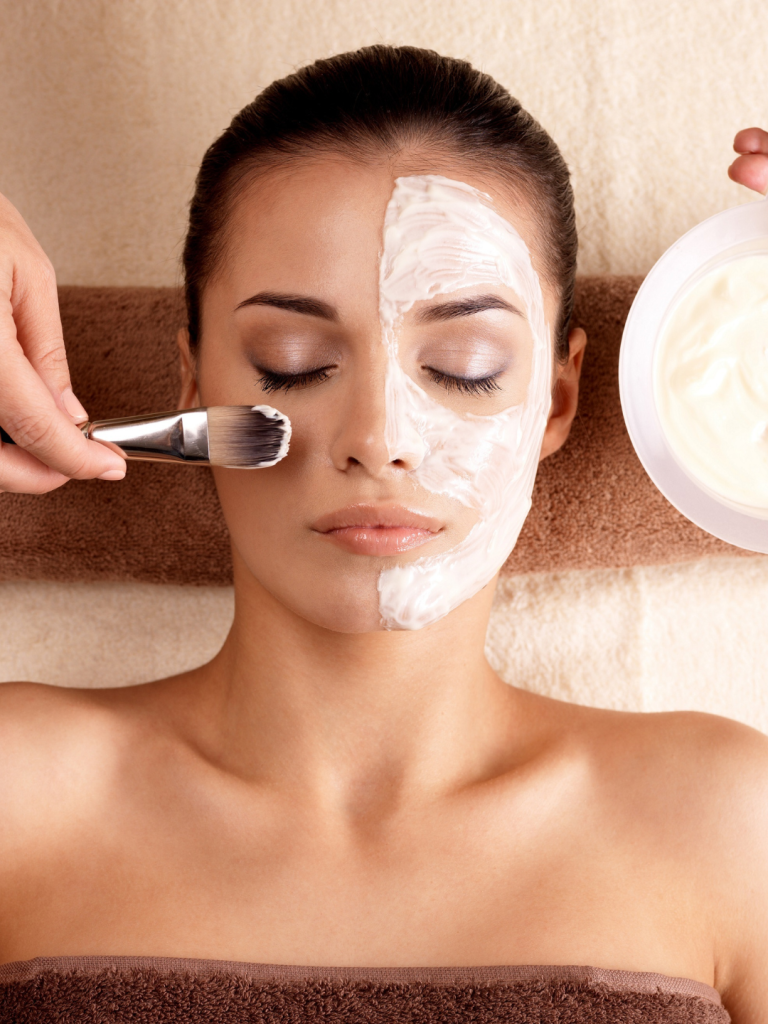
When your skin cells are flooded with high concentrations of oxygen, it acts as a catalyst for restoration. Studies show that increased oxygen levels in the skin can significantly support natural collagen production and accelerate cellular turnover. This biological “boost” helps your skin repair itself faster, leading to a firmer and more youthful appearance over time.
The Power of Serum Synergy
The true magic happens when we combine pure oxygen with medical-grade nutrients. When peptides and vitamins are delivered via this pressurized method, their efficacy is amplified. While a topical cream might take weeks to show results, this pressurized synergy provides an instant plumping effect. It fills in fine lines and deeply saturates your skin with the hydration it craves after a long week in the city.
Why Toronto Skin Needs Oxygen Therapy (The Environmental Shield)
Living in the Greater Toronto Area presents a unique set of challenges for your complexion. Between the exhaust from the 401 and the dense urban smog, microscopic pollutants constantly settle on your skin. These particulates trigger oxidative stress, which research suggests is a leading cause of premature aging and “smog skin”—a condition marked by dullness and enlarged pores. A professional oxygen facial Toronto treatment acts as a vital detoxifier, neutralizing free radicals and flushing out the impurities that your daily cleanser might miss.
Combatting Seasonal Dehydration
The shifting Canadian seasons are equally demanding. During our notorious winters, the “heaters-on” effect in homes and offices strips the air of moisture, compromising your skin’s natural barrier. This leads to uncomfortable tightness and flaky patches. By infusing moisture at a pressurized level, we bridge the hydration gap that heavy creams often fail to penetrate, restoring a supple texture even in sub-zero temperatures.
Closing the “City Glow” Gap
A high-stress, urban lifestyle often manifests as sallow, tired-looking skin. This “city glow” gap occurs when your skin’s microcirculation slows down due to fatigue and environmental load. Oxygen therapy revitalizes this circulation, bringing a healthy, rosy hue back to your cheeks. It’s the ultimate reset for busy professionals who need to look well-rested, even when their schedule suggests otherwise.
Oxygen Facials for Acne: The Secret Antibacterial Weapon
If you struggle with persistent breakouts, this treatment is more than just a luxury; it is a clinical necessity. The primary culprit behind inflammatory acne is Propionibacterium acnes (P. acnes). This specific bacteria is anaerobic, meaning it thrives in the oil-clogged, oxygen-deprived depths of your pores. Research suggests that introducing high concentrations of oxygen directly into these follicles creates a lethal environment for the bacteria, significantly reducing its ability to colonize and spread.
Accelerating Healing and Calming Redness
Beyond its antibacterial properties, oxygen is a powerful anti-inflammatory agent. Active breakouts often leave the skin in a state of distress, characterized by post-inflammatory erythema (persistent redness). Oxygen therapy helps to calm this irritation by stimulating the skin’s natural repair mechanisms. By increasing the available energy at a cellular level, oxygen accelerates the healing of blemishes, meaning you spend less time hiding under concealer.
Eco Lilly’s Specialized Acne Edge
At Eco Lilly Spa, we don’t treat the oxygen facial Toronto as a standalone “fluff” service. We integrate it into a holistic acne protocol that bridges the gap between a relaxing spa visit and a high-performance clinical treatment. We often pair oxygen with botanical-based exfoliants to ensure your pores are clear and ready to receive the full force of the antibacterial infusion.
Oxygen Facial vs. HydraFacial vs. OxyGeneo: Which is Best?
With so many advanced skincare options available in the city, choosing the right treatment can feel overwhelming. While they all aim for a clearer complexion, their mechanical approaches differ significantly:
- Oxygen Facial: Focuses purely on the high-pressure infusion of nutrients. It is the gentlest option, designed to drench the skin in hydration and antibacterial serums.
- HydraFacial: This is primarily a resurfacing treatment. It uses a “vortex” vacuum tip to physically extract debris from pores while simultaneously bathing the skin in cleansing serums.
- OxyGeneo: Often called the “3-in-1” facial, this method triggers the Bohr Effect. Research suggests that by creating a CO2-rich environment on the skin’s surface, the body is forced to send oxygen-rich blood to the area from within the tissue.
Your Selection Guide
If your goal is an immediate “glass skin” look for a wedding or gala, the treatment experts recommend is your best bet because it involves zero suction or potential irritation. However, if you are struggling with heavy congestion or blackheads, a HydraFacial may be necessary to clear the “pathway” first.
The Bespoke Eco Lilly Approach
At Eco Lilly Spa, we believe your skin is too unique for a one-size-fits-all menu. We often combine these modalities—for example, following a deep chemical peel or extraction session with a soothing oxygen infusion. This creates a bespoke Toronto skincare experience that addresses both deep-seated congestion and surface-level radiance.
The Scalp Connection: Oxygen for Hair and Scalp Health
While most people associate an oxygen facial Toronto only with the face, the benefits extend much higher. At Eco Lilly Spa, we recognize a critical connection that many overlook: your scalp is simply an extension of your skin. Toronto’s fluctuating humidity and hard water can lead to a chronically dry, itchy, or flaky scalp. By applying pressurized oxygen infusion to the scalp, we can deliver soothing, botanical nutrients directly to the skin barrier, providing immediate relief that standard shampoos cannot offer.
Building the Foundation for Growth
Research suggests that a healthy, well-oxygenated scalp environment is the primary foundation for robust hair growth. When the scalp is starved of oxygen or burdened by product build-up and environmental pollutants, hair follicles can become sluggish. Infusing the scalp with oxygen revitalizes microcirculation, balances sebum production to reduce the “oil-and-flake” cycle, and provides deep hydration to prevent seasonal tightness.
A Holistic Head Spa Experience
Integrating oxygen into your hair care routine bridges the gap between traditional aesthetics and functional wellness. Whether you are dealing with seasonal sensitivity or simply want to optimize your hair’s natural shine, this treatment offers a refreshing “deep breath” for your follicles. It’s the ultimate add-on for those already enjoying our specialized head spa services.
What to Expect: The Eco Lilly Step-by-Step Experience
When you visit us for a session, we follow a meticulous protocol designed to maximize your results. Your journey begins with a professional assessment to ensure we tailor every drop of serum to your skin’s current needs.
- Step 1: Deep Cleansing and Prep: We start by removing the daily grime, makeup, and heavy particulates that accumulate from life in a busy city, ensuring your pores are clear of Toronto’s environmental pollutants.
- Step 2: Gentle Exfoliation: Next, we perform a gentle exfoliation to prepare the “canvas.” Studies show that removing dead skin cells is essential for maximizing the absorption of active ingredients.
- Step 3: The Oxygen Infusion: This is the heart of the treatment. You will feel a cooling, calming sensation as our specialized wand delivers pressurized oxygen and nutrient-rich serums.
- Step 4: Protective Finishing: To lock in your results, we apply eco-friendly, professional-grade moisturizers and a high-spectrum SPF. This final shield protects your fresh skin as you step back out onto Yonge Street.
Frequently asked questions about oxygen facials in Toronto
How long does an oxygen facial last?
The immediate “event glow” typically lasts between 4 to 7 days, making it the perfect choice for a weekend gala or wedding. However, the benefits are cumulative, and research suggests that scheduling monthly sessions leads to long-term improvements in skin hydration and cellular health.
Is an oxygen facial worth it?
An oxygen facial is highly worth the investment because it offers a dual return on investment: immediate aesthetic results and long-term preventative care. While you see an instant plumping effect, the pressurized infusion also supports the skin’s barrier against urban aging and environmental damage over time.
Does it hurt?
Not at all; in fact, this is widely considered one of the most relaxing and non-invasive treatments available in the industry. You will only feel a cooling, gentle mist against your skin, and many clients at Eco Lilly Spa find the rhythmic sensation so soothing they almost fall asleep during the procedure.
Can I wear makeup after an oxygen facial?
Yes, you can apply makeup immediately after your session because there is absolutely no downtime or peeling involved with an oxygen facial Toronto treatment. Since your skin will be deeply hydrated and smooth, you will likely find that your foundation applies more evenly and requires much less product to achieve a flawless finish.
How much does an oxygen facial cost in Toronto?
In the Greater Toronto Area, prices generally range from $150 to $300 depending on the serums used and the complexity of the treatment. Eco Lilly Spa offers competitive pricing for our specialized infusions, ensuring that high-quality, clinical-grade skincare remains accessible for our local community on Yonge Street.
Conclusion
Choosing an oxygen facial Toronto treatment is the ultimate way to combat urban dullness while providing your skin with a powerful, antibacterial defense against breakouts. By combining pressurized technology with botanical-grade nutrients, you can achieve an immediate luminosity that protects and revitalizes your complexion across every season.
We invite you to experience this transformation firsthand at Eco Lilly Spa on Yonge Street. Book your Oxygen Infusion Facial today to enjoy clearer skin and a refreshed, vibrant complexion that stands up to the demands of city life.
[Book online: https://www.dashbooking.com/salon/eco-lilly-spa]



Ralph Elliot
7 July, 2025I’ve been struggling with melasma for years and didn’t really understand what caused it until now. This article explained everything so clearly!