

Hormonal Acne – Causes, Treatments, and Solutions
Hormonal acne is a common yet often misunderstood skin concern that affects people of all ages, particularly women. Unlike regular breakouts caused by stress, bacteria, or clogged pores, hormonal acne is triggered by fluctuations in hormones-especially androgens-that increase oil production and lead to stubborn, inflamed pimples.
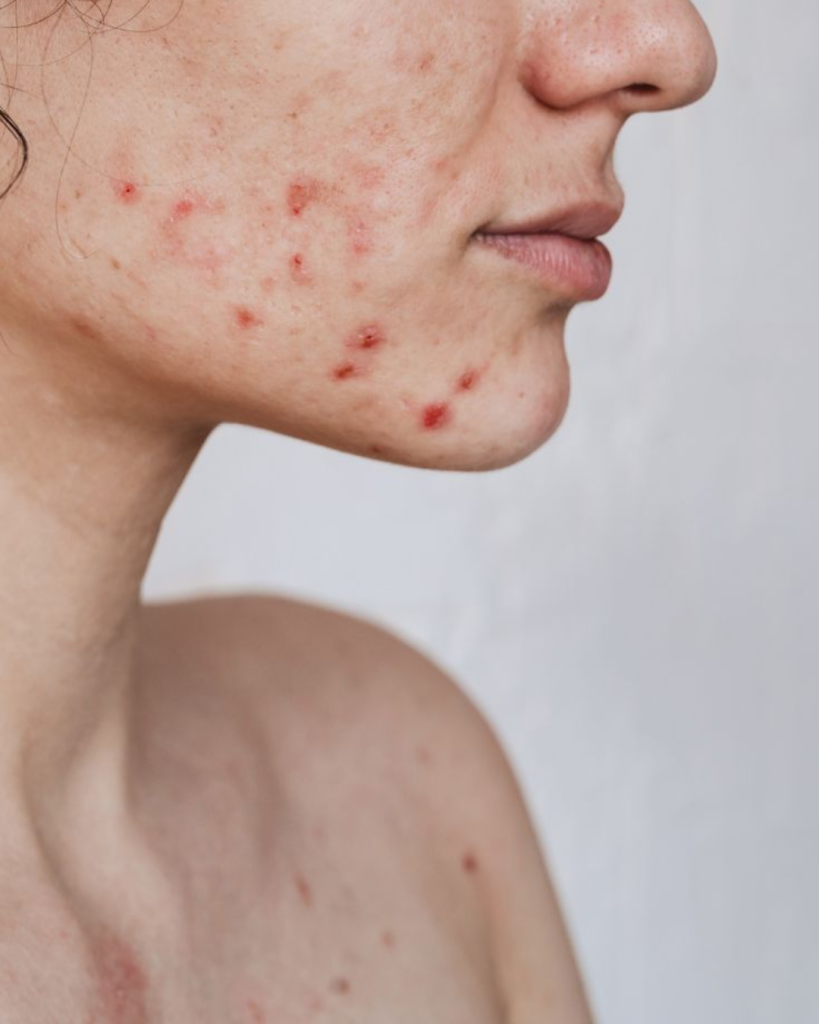
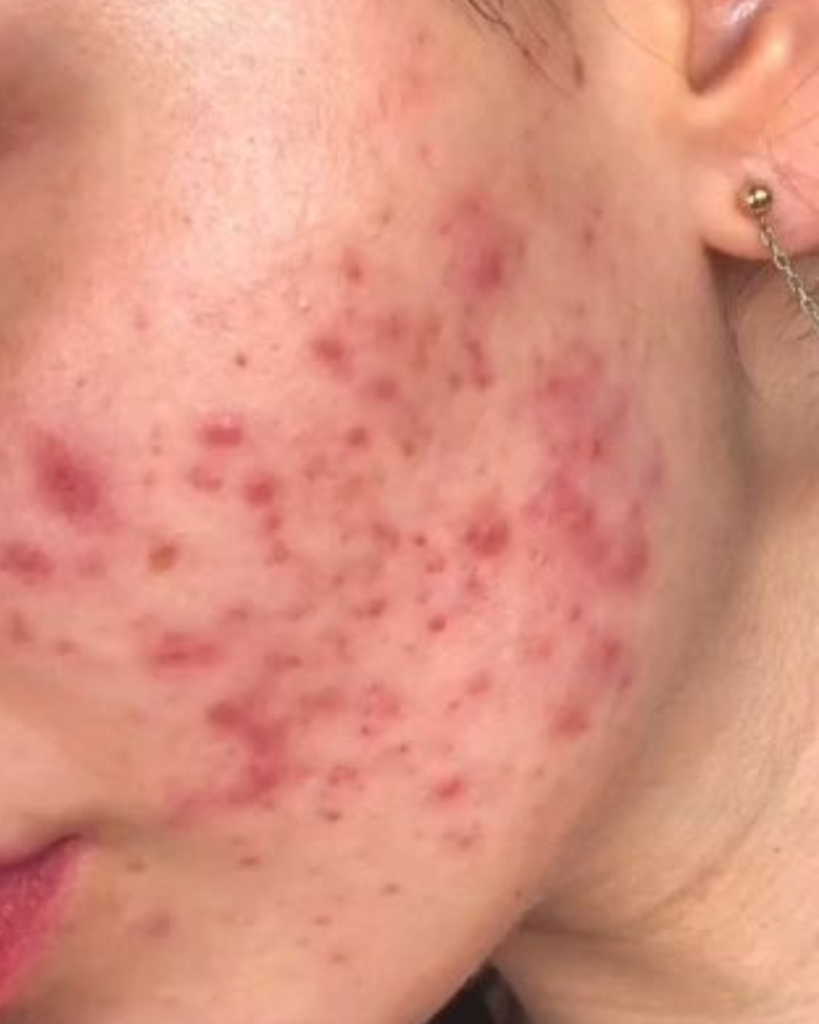
These breakouts often appear on the chin, jawline, and lower cheeks, and can be deep, cystic, and painful. Beyond the physical effects, hormonal acne can also impact confidence and self-esteem, making it important to address both prevention and treatment.
In this article, we’ll explore the causes, symptoms, effective treatments, and prevention strategies for hormonal acne, with tips on how professional care at Eco Lilly Spa in Toronto can help you achieve clearer, healthier skin.
What is Hormonal Acne?
Hormonal acne is a type of breakouts that occurs when fluctuations in hormones-especially androgens like testosterone-stimulate the skin’s oil (sebum) production. Excess sebum can clog pores, leading to inflammation, pimples, and sometimes cystic acne. Unlike acne caused by bacteria or external stressors, hormonal acne is driven primarily by internal changes in the body, which is why it can be more persistent and harder to treat with standard over-the-counter products alone.
Who is Most Affected?
Hormonal acne can affect both women and men, but women are more commonly impacted due to monthly hormonal cycles and life-stage changes.
- Age ranges: It often starts in the teenage years, continues into the 20s and 30s, and can even appear during menopause.
- Life stages that influence hormones: Hormonal acne frequently worsens around menstrual cycles, during pregnancy, and in perimenopause. These stages trigger fluctuations in estrogen and progesterone, creating an ideal environment for breakouts.
By understanding who is most affected, it becomes easier to identify hormonal acne early and seek effective treatments that target the root cause, not just the surface blemishes.
Common Causes of Hormonal Acne
Androgen Hormones and Sebum Production
One of the main drivers of hormonal acne is an increase in androgen hormones, such as testosterone. These hormones stimulate the sebaceous (oil) glands in the skin, causing them to produce excess sebum. When this oil combines with dead skin cells, it can clog pores and create the perfect environment for inflammation and acne. This is why hormonal acne often appears as deep, cystic breakouts that are more resistant to traditional acne treatments.
Menstrual Cycle and Flare-Ups
For many women, hormonal acne follows a predictable pattern linked to the menstrual cycle. Breakouts often worsen in the days leading up to menstruation, when progesterone levels rise and estrogen levels drop. This hormonal shift can increase sebum production and inflammation, resulting in pimples around the jawline, chin, and lower cheeks. Understanding this timing can help in planning targeted treatments and preventative skincare routines.
Other Hormonal Triggers
Besides menstrual cycles, several other hormonal changes can trigger acne:
- Pregnancy: Fluctuating estrogen and progesterone can lead to new or worsening breakouts.
- Menopause: Hormone levels decline, which can sometimes trigger acne in adults.
- Polycystic Ovary Syndrome (PCOS): Excess androgens in PCOS patients often cause persistent hormonal acne.
- Stress: Stress increases cortisol, which indirectly affects hormone balance and can worsen acne.
Lifestyle factors also play a supporting role. Poor sleep, a diet high in processed foods, inconsistent skincare routines, and chronic stress can amplify hormonal imbalances, making acne harder to manage.
Symptoms and Signs to Watch For
Typical Locations
Hormonal acne often appears in specific areas of the face, most commonly the chin, jawline, and lower cheeks. These areas are particularly sensitive to hormonal fluctuations, which is why breakouts tend to cluster there. This pattern helps distinguish hormonal acne from other types of acne, such as stress-related or bacterial acne, which often affects the forehead and nose instead. Recognizing these typical locations can make it easier to identify hormonal acne early and adjust your skincare accordingly.
Appearance of Breakouts
Hormonal acne is often deeper and more persistent than typical pimples. You may notice:
- Deep, cystic pimples that are difficult to pop
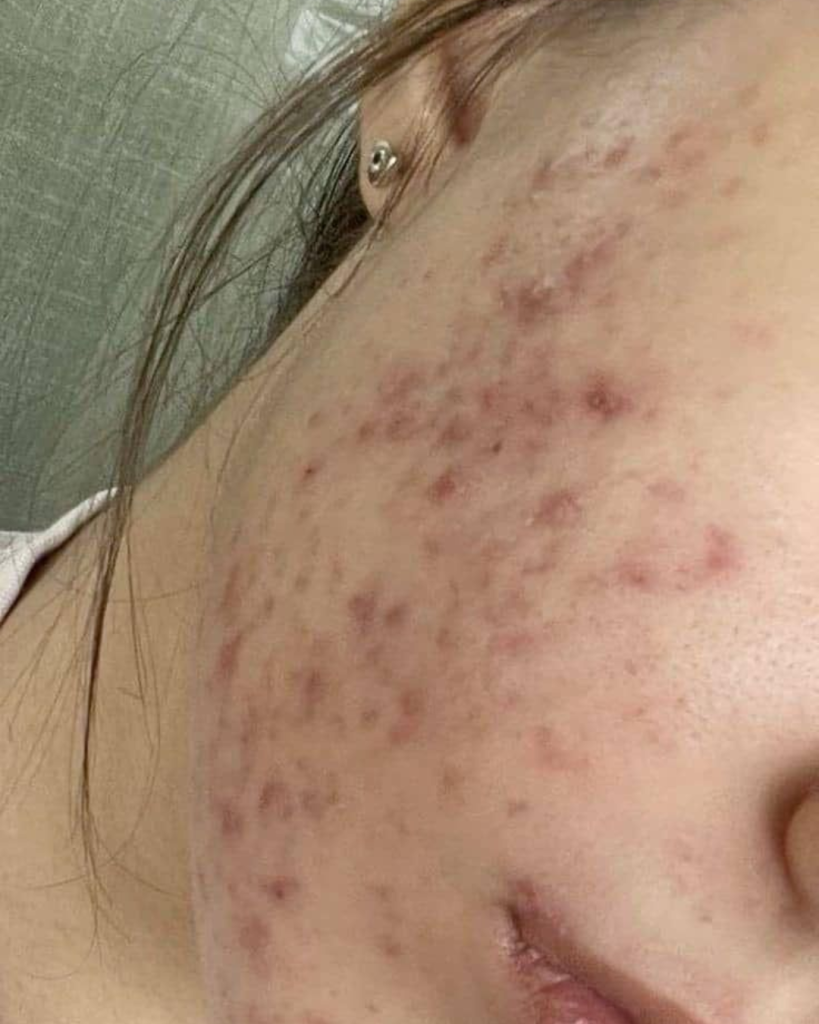
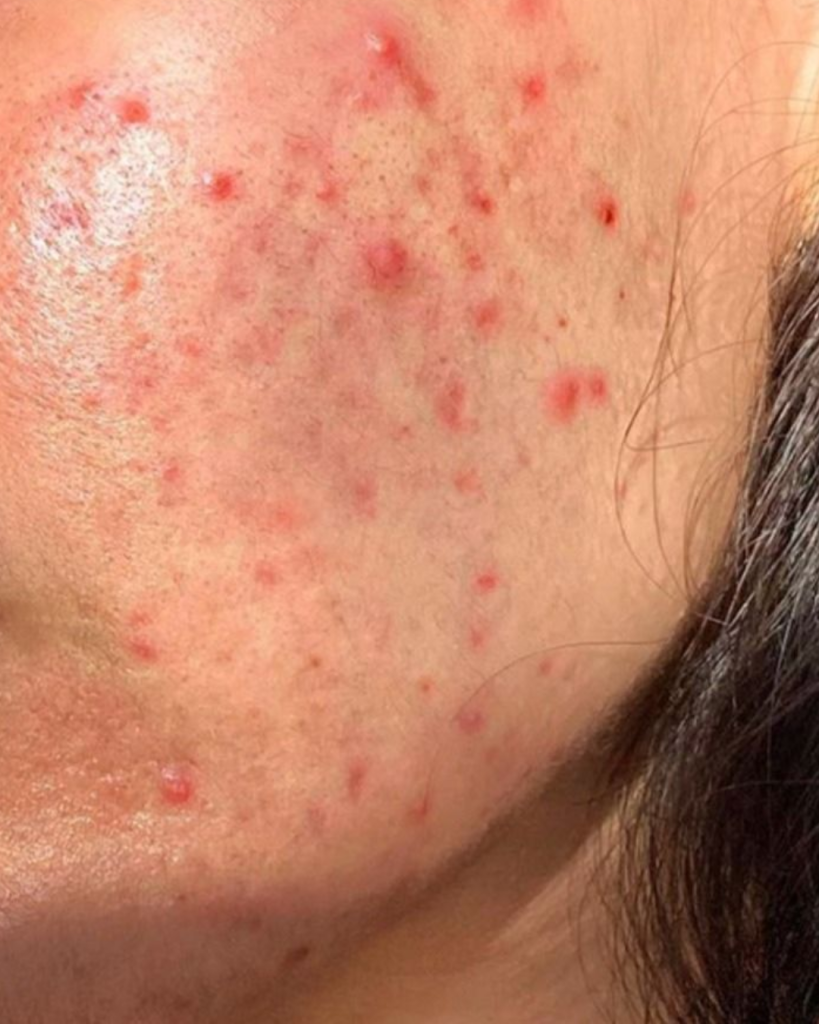
- Redness and inflammation surrounding breakouts
- Painful nodules under the skin that may take weeks to heal
These characteristics reflect the internal hormonal triggers rather than external factors, which is why topical treatments alone are sometimes insufficient.
Associated Skin Concerns
Beyond active breakouts, hormonal acne can lead to additional skin issues, including:
- Scarring: Persistent cysts can leave permanent marks if not treated properly
- Hyperpigmentation: Dark spots may remain after a pimple heals
- Skin sensitivity: Inflamed areas can become more reactive to skincare products
By identifying these symptoms and patterns early, you can take steps toward effective prevention and treatment, reducing long-term damage and discomfort.
Effective Treatments for Hormonal Acne
At-Home Skincare Approaches
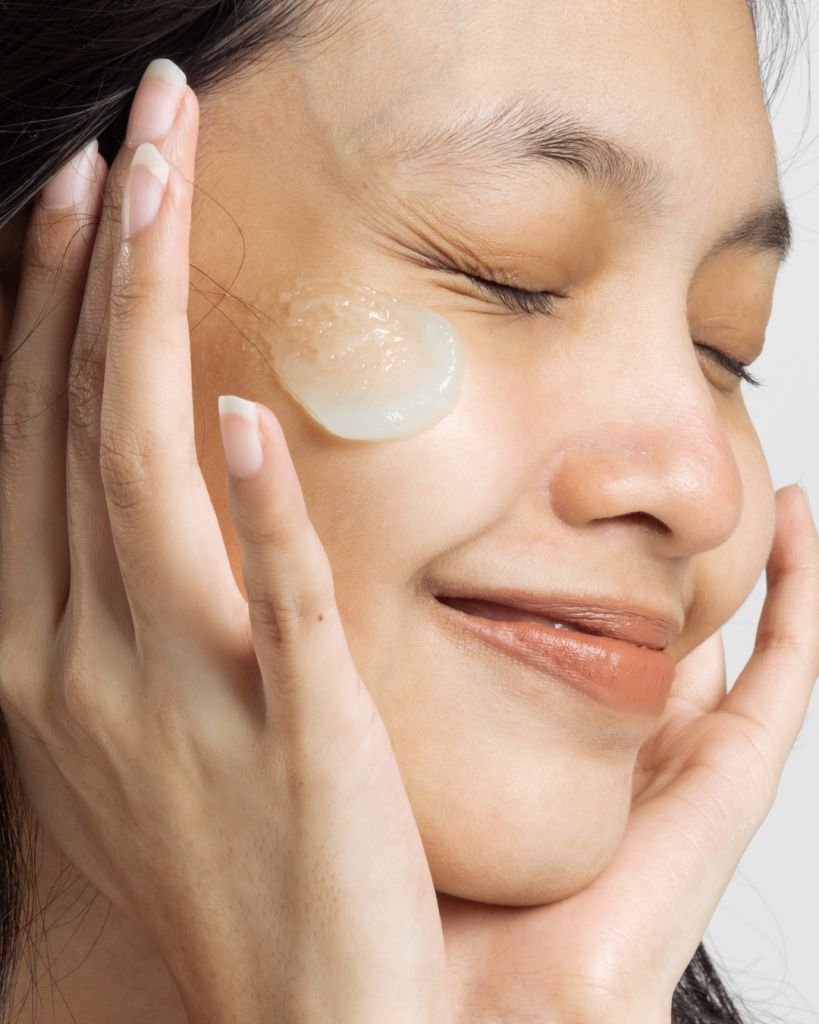
Managing hormonal acne at home starts with a consistent and gentle skincare routine. Use mild cleansers and non-comedogenic moisturizers to keep your skin hydrated without clogging pores. Avoid harsh scrubbing or over-exfoliation, which can worsen inflammation and irritation. Certain active ingredients are particularly effective for hormonal acne:
- Salicylic acid: helps unclog pores and reduce inflammation
- Benzoyl peroxide: targets acne-causing bacteria
- Niacinamide: soothes redness and regulates oil production
Incorporating these into your daily routine can help reduce breakouts and support professional treatments.
Medical and Professional Treatments
For more persistent hormonal acne, professional interventions may be necessary:
- Prescription options: topical retinoids, oral contraceptives, and anti-androgen medications can help balance hormones and reduce acne from within.
- Eco Lilly Spa professional treatments in Toronto:
- Chemical peels: exfoliate dead skin cells and promote cell turnover
- Laser therapy: reduces inflammation and targets bacteria under the skin
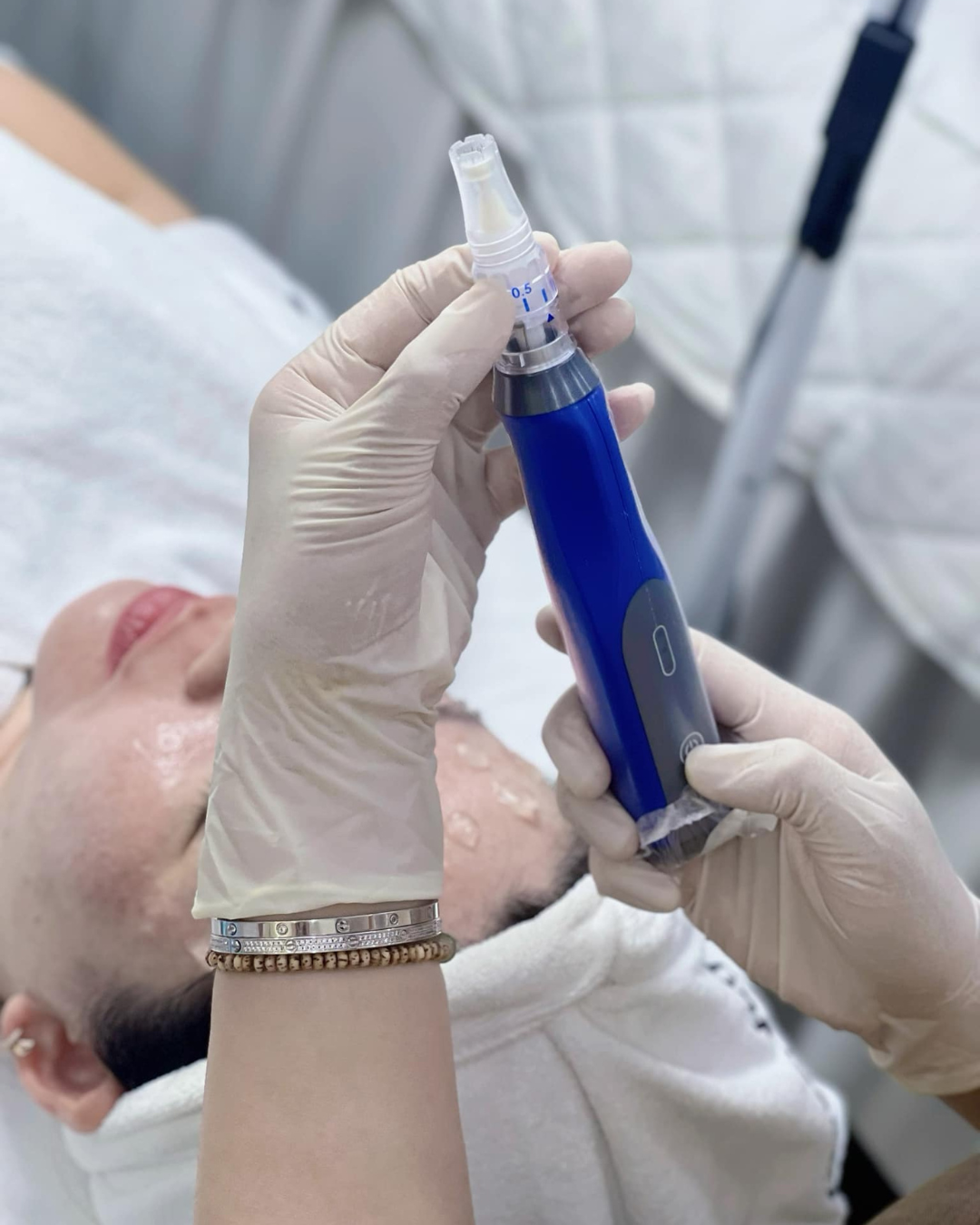
- Customized facials: specifically designed to address hormonal acne, reduce redness, and improve overall skin health
- Chemical peels: exfoliate dead skin cells and promote cell turnover
Combining these treatments with at-home care often provides the most effective results for long-term skin clarity.
Lifestyle Adjustments
Hormonal acne is influenced by more than just skincare. Adjusting lifestyle habits can significantly improve outcomes:
- Balanced diet: limit high-sugar and processed foods that can trigger inflammation
- Stress management: practices like yoga, meditation, or journaling help regulate cortisol and hormone levels
- Sleep hygiene: adequate, consistent sleep supports overall hormone balance
- Tracking menstrual cycles: knowing your cycle can help anticipate flare-ups and prepare preventative care
A holistic approach combining skincare, professional treatments, and lifestyle adjustments ensures the best results for managing hormonal acne.
Prevention Tips for Hormonal Acne
Preventing hormonal acne requires consistent care and small daily habits that reduce triggers and support skin health. Here are key strategies:
- Maintain a consistent skincare routine: Use gentle cleansers, non-comedogenic moisturizers, and acne-fighting ingredients like salicylic acid or niacinamide to keep pores clear and reduce inflammation.
- Avoid touching or picking pimples: This can spread bacteria, worsen inflammation, and increase the risk of scarring.
- Clean makeup brushes and phone screens regularly: Bacteria and dirt from frequently touched surfaces can clog pores and trigger breakouts.
- Stay hydrated and maintain a balanced diet: Drinking enough water and eating nutrient-rich foods helps regulate hormones and supports overall skin health.
By integrating these prevention tips into daily routines, you can minimize hormonal acne flare-ups and complement professional treatments for long-lasting results.
FAQs About Hormonal Acne
What is the difference between hormonal acne and regular acne?
Hormonal acne is primarily driven by internal hormone fluctuations, often appearing on the chin, jawline, and lower cheeks as deep, cystic pimples. Regular acne, on the other hand, can result from factors like bacteria, stress, or clogged pores in other areas such as the forehead and nose.
Can adults in their 30s and 40s develop hormonal acne?
Yes. Hormonal acne can affect adults well beyond their teenage years, especially women during menstrual cycles, pregnancy, perimenopause, or menopause. Adult acne is often linked to hormone imbalances rather than lifestyle alone.
How long does it take to see results from treatments?
Results vary depending on severity and treatment type. At-home care may take several weeks, while professional treatments like chemical peels, laser therapy, or customized facials can show noticeable improvement within a few sessions. Consistency is key for long-term results.
Are hormonal acne treatments safe during pregnancy?
Some treatments, like certain topical retinoids or oral medications, are not recommended during pregnancy. However, gentle skincare, professional facials, and non-invasive treatments at Eco Lilly Spa are generally considered safe. Always consult a qualified professional before starting any treatment while pregnant.
Can diet alone help manage hormonal acne?
While a balanced diet can support overall skin health and hormone balance, it is rarely enough on its own to fully control hormonal acne. Combining diet, skincare, lifestyle adjustments, and professional treatments provides the most effective results.
Conclusion
Hormonal acne is a common concern, but with the right approach, it is manageable. Understanding the causes, recognizing the symptoms, and adopting a combination of skincare, lifestyle adjustments, and professional treatments can help achieve clear, healthy skin.
For personalized guidance and targeted solutions, book a consultation at Eco Lilly Spa in Toronto. Our expert team offers tailored hormonal acne treatments to help you restore confidence and maintain long-term skin health.

Leave a Reply