

Fungal acne: what it is, effective treatments
If you’ve been battling breakouts that never seem to heal, you may be dealing with more than just regular acne. What looks like stubborn pimples could actually be fungal acne – a skin condition often mistaken for bacterial acne.
Unlike traditional acne, fungal acne is caused by an overgrowth of yeast on the skin, leading to small, itchy bumps that often appear on the forehead, chest, and back. The tricky part? Using standard acne treatments can actually make it worse, which is why proper diagnosis and care are essential.
At Eco Lilly Spa in Toronto, we believe in empowering you with the right knowledge and treatments to restore your skin’s natural balance. In this guide, we’ll walk you through everything you need to know: what fungal acne is, how to spot the symptoms, causes and triggers, treatment options that actually work, and prevention tips to keep your skin healthy and clear.
What is fungal acne?
Fungal acne, also known as Malassezia folliculitis, is often mistaken for regular acne – but the root cause is very different. Instead of clogged pores and bacteria, fungal acne happens when yeast that naturally lives on the skin grows out of balance and triggers inflammation in the hair follicles. The result? Small, itchy bumps that often look like a breakout but don’t respond to typical acne treatments.


The science behind fungal acne (Malassezia yeast & folliculitis explained simply)
Your skin is home to a community of bacteria, oils, and yeast that usually coexist in harmony. One of these yeasts is called Malassezia. When the environment on your skin becomes warm, moist, or overly oily, Malassezia can multiply quickly. This overgrowth irritates the hair follicles, leading to a condition called folliculitis – or what we commonly call fungal acne.
Think of it like a garden that’s overwatered: too much moisture creates the perfect conditions for weeds to thrive. In the same way, excess sweat, oil, and humidity create the perfect environment for yeast overgrowth.
How fungal acne differs from regular acne
At first glance, fungal acne can look a lot like typical pimples – but there are key differences:
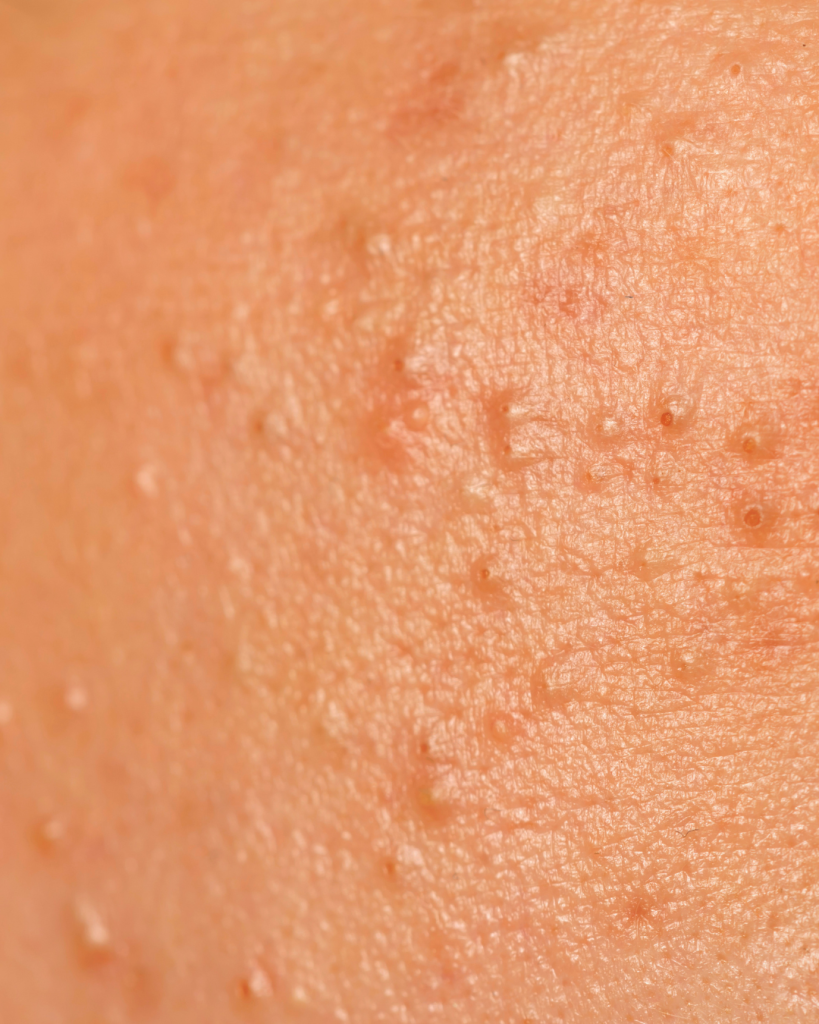
- Size and appearance: fungal acne bumps are usually small, uniform in size, and may be filled with pus.
- Itching: unlike bacterial acne, fungal acne is often very itchy.
- Location: fungal acne often shows up on the forehead, chest, shoulders, and back – areas where sweat and oil build up.
- Treatment: while bacterial acne responds to salicylic acid or benzoyl peroxide, fungal acne requires antifungal solutions. In fact, using standard acne treatments may worsen the condition.
Recognizing these differences is crucial, because treating fungal acne like bacterial acne can lead to more breakouts and frustration.
How fungal acne looks compared to bacterial acne
While fungal acne and bacterial acne may look similar at first glance, there are subtle but important distinctions:
- Fungal acne: uniform, itchy bumps in clusters; often in oil-prone or sweaty areas.
- Bacterial acne: comes in different sizes (blackheads, whiteheads, cysts, pustules); usually not itchy; often found on the face, chin, and jawline.
- Response to treatment: fungal acne doesn’t improve with standard acne treatments like benzoyl peroxide – and sometimes gets worse.
Understanding these differences can save you time, money, and frustration when choosing treatments.
Common triggers that make symptoms worse
Even when fungal acne starts small, certain lifestyle factors can make it flare up:
- Sweating and humidity – hot summer days in Toronto, gym workouts, or tight workout gear can trap heat and moisture.
- Heavy skincare or haircare products – thick, oily products can feed yeast growth.
- Not showering after workouts – leaving sweat and oil on the skin gives yeast more opportunity to spread.
- Overuse of antibiotics – both oral and topical antibiotics can disrupt your skin’s natural balance.
Being mindful of these triggers can help you manage fungal acne more effectively and prevent frequent flare-ups.
What causes fungal acne?
Fungal acne develops when yeast on the skin grows out of balance and inflames the hair follicles. But why does this happen in the first place? Several everyday factors can create the perfect conditions for fungal overgrowth – and understanding them is the first step to prevention.
Sweat, heat, and humidity
Warm, damp environments allow yeast to thrive. If you live in a humid climate, sweat heavily during workouts, or spend long hours in sweaty clothes, your skin can become the ideal environment for fungal acne to develop. This is why fungal acne often worsens during the summer or after intense exercise.
Tight clothing and poor airflow
Clothing that traps heat and moisture – like synthetic workout gear or snug uniforms – creates a “greenhouse effect” on the skin. Without airflow, sweat and oil can’t evaporate, leading to irritation and yeast overgrowth. Loose, breathable fabrics can make a big difference in keeping skin balanced.
Heavy, oily skincare or hair products
Certain products, especially thick creams, oils, or heavy conditioners, can act like food for Malassezia yeast. Ingredients such as coconut oil or fatty acids may worsen fungal acne. If you’re prone to breakouts, opt for lightweight, non-comedogenic products that don’t clog pores or disrupt your skin’s balance.
Antibiotic use and weakened skin barrier
While antibiotics help fight bacterial infections, long-term use can reduce the healthy bacteria that normally keep yeast in check. This imbalance can allow fungal acne to take over. Similarly, a weakened skin barrier – caused by over-exfoliating, harsh cleansers, or certain medical conditions – makes skin more vulnerable to fungal overgrowth.
Lifestyle habits (gym, sports, stress)
Active lifestyles can unintentionally fuel fungal acne:
- Gym & sports – frequent sweating and tight athletic wear without quick cleansing.
- Not showering right after workouts – leaving sweat-soaked clothes on gives yeast more time to grow.
- Stress – high stress levels can affect your immune system and skin balance, making flare-ups more likely.
Making small adjustments – like showering after exercise, choosing breathable fabrics, and practicing stress management – can help reduce your risk of recurring fungal acne.
How is fungal acne diagnosed?
Because fungal acne looks so similar to regular acne, many people treat it incorrectly for months without realizing why their skin isn’t improving. Getting the right diagnosis is key to finding relief.
At-home checks (symptoms & patterns to notice)
While only a professional can confirm fungal acne, there are a few signs you can watch for at home:
- Uniform bumps – small, same-sized breakouts rather than mixed blackheads, cysts, or whiteheads.
- Itchiness – fungal acne often feels itchy, which is less common with bacterial acne.
- Clusters in specific areas – forehead, chest, back, and shoulders are the most common spots.
- Lack of response to acne treatments – if salicylic acid, benzoyl peroxide, or antibiotics don’t help, fungal acne may be the cause.
These observations can give you clues, but they’re not enough for a definite diagnosis.
When to see a dermatologist for proper diagnosis
If you’ve tried over-the-counter acne solutions without results, it’s time to see a dermatologist or skin professional. During an appointment, a dermatologist may:
- Examine your skin closely to identify fungal acne patterns.
- Perform a skin scraping or swab to view yeast under a microscope.
- Check your health history (antibiotic use, immune issues, lifestyle habits).
A professional diagnosis ensures you’re not wasting time or worsening the condition with the wrong treatments.
Why self-diagnosing can be tricky
Even though fungal acne has telltale signs, it can still be confused with:
- Bacterial acne – which looks similar but responds differently to treatment.
- Heat rash – another itchy skin condition triggered by sweat and humidity.
- Other folliculitis types – bacterial or viral infections of hair follicles.
This is why guessing isn’t enough. Misdiagnosis often leads to more irritation, breakouts, and frustration. Seeking expert guidance helps you skip the trial-and-error stage and move straight to the right care.
Effective treatment options for fungal acne
Treating fungal acne requires a different approach than treating bacterial acne. While traditional acne products often fail – and can even worsen the condition – the good news is that there are targeted solutions that work. From over-the-counter options to professional treatments, here’s what you should know.
Over-the-counter options (antifungal shampoos, sulfur-based washes)
For mild cases, some accessible products may help rebalance your skin:
- Antifungal shampoos: Formulas with ketoconazole, selenium sulfide, or zinc pyrithione can be used as a body wash on affected areas. Leave on the skin for a few minutes before rinsing.
- Sulfur-based washes: Sulfur has natural antifungal and antibacterial properties, making it a gentle yet effective option.
These options can reduce yeast levels, but consistency is key – use them a few times per week until symptoms improve.
Prescription treatments (oral antifungals, dermatologist creams)
If fungal acne is persistent, widespread, or doesn’t respond to over-the-counter solutions, professional care may be necessary. Dermatologists can prescribe:
- Topical antifungal creams: More concentrated than drugstore options, often containing ketoconazole or ciclopirox.
- Oral antifungal medications: For severe or recurring cases, oral prescriptions like fluconazole or itraconazole may be recommended.
Because these treatments are stronger, they should always be guided by a healthcare professional to avoid side effects or overuse.
Skincare routine do’s and don’ts (avoid oils, stick to non-comedogenic products)
Adjusting your skincare routine can support healing and prevent flare-ups:
Do:
- Use lightweight, non-comedogenic moisturizers and sunscreens.
- Stick to gentle, pH-balanced cleansers.
- Exfoliate mildly to prevent buildup without stripping the skin barrier.
Don’t:
- Avoid oily or heavy creams (coconut oil, fatty acids) that feed yeast.
- Limit antibiotic-based treatments, as they can disrupt skin balance.
- Don’t over-exfoliate – this weakens the skin barrier and worsens irritation.
Lifestyle changes that help (showering post-workout, breathable fabrics, laundry hygiene)
Small everyday habits can have a big impact on fungal acne:
- Shower after workouts and change out of sweaty clothes immediately.
- Choose breathable, natural fabrics like cotton or moisture-wicking materials.
- Wash workout clothes and bedding regularly in hot water to eliminate yeast buildup.
- Keep stress levels in check with relaxation practices, as stress can influence your skin’s balance.
These steps help create an environment where yeast is less likely to overgrow.
Natural remedies – what works vs. what to avoid (tea tree oil, honey, diet myths)
Many people look for natural solutions, but it’s important to know what’s safe and effective:
- Tea tree oil: May have antifungal properties, but should always be diluted to avoid irritation.
- Honey (especially raw or manuka honey): Known for antimicrobial benefits, though results for fungal acne are limited.
- Diet changes: While some suggest reducing sugar or yeast-rich foods, scientific evidence is limited. However, a balanced diet that supports gut and skin health is always beneficial.
Avoid DIY remedies that are harsh, untested, or overly oily – they can feed the yeast or damage your skin barrier.
How to prevent fungal acne from coming back
Fungal acne can be frustrating, especially if it keeps reappearing. The good news? With the right habits, you can reduce flare-ups and maintain clear, healthy skin long-term. Prevention is about creating balance – keeping yeast in check while protecting your skin’s natural defenses.
Daily skincare habits to protect your skin barrier
Your skin barrier is your first line of defense against fungal overgrowth. To keep it strong:
- Use gentle, pH-balanced cleansers that don’t strip natural oils.
- Stick to lightweight, non-comedogenic moisturizers and sunscreens.
- Avoid over-exfoliation, which can weaken the barrier and trigger irritation.
- Introduce antifungal washes (like ketoconazole or sulfur) into your routine 1–2 times per week if you’re prone to flare-ups.
A simple, consistent routine often works better than an aggressive multi-step one.
Sweat & hygiene management tips
Because fungal acne thrives in warm, moist conditions, managing sweat and hygiene is essential:
- Shower right after workouts or long days in humid weather.
- Change into clean, dry clothes as soon as possible.
- Wear loose, breathable fabrics like cotton or moisture-wicking activewear.
- Wash bedding, towels, and workout clothes frequently in hot water to prevent yeast buildup.
These small steps help remove excess sweat and oil before they can feed fungal growth.
Diet and gut health role (brief evidence-based mention)
Research on diet and fungal acne is still limited, but skin health often reflects internal balance. Supporting your gut health may indirectly benefit your skin:
- Focus on a diet rich in whole foods, vegetables, lean proteins, and probiotics.
- Limit excessive sugar and refined carbs, which may encourage yeast overgrowth in some individuals.
- Stay hydrated to support overall skin health.
While food alone won’t cure fungal acne, a balanced diet supports a healthier skin environment.
Long-term lifestyle tips for clear, balanced skin
Consistency is key to keeping fungal acne under control:
- Build a sustainable skincare routine rather than chasing quick fixes.
- Manage stress with mindfulness, yoga, or relaxation techniques, since stress can disrupt your skin’s natural balance.
- Protect your skin from harsh environmental factors with sunscreen and gentle care.
- Schedule professional treatments or check-ins if breakouts persist – a customized approach often works best.
By combining smart skincare, mindful lifestyle habits, and professional support when needed, you can reduce flare-ups and enjoy smoother, healthier skin.
When to see a professional
Sometimes, fungal acne doesn’t respond to at-home care alone. Knowing when to seek professional help can save you time, frustration, and prevent the condition from worsening.
Signs it’s time to book a consultation
Consider scheduling an appointment if you notice:
- Breakouts that persist for weeks despite using antifungal products.
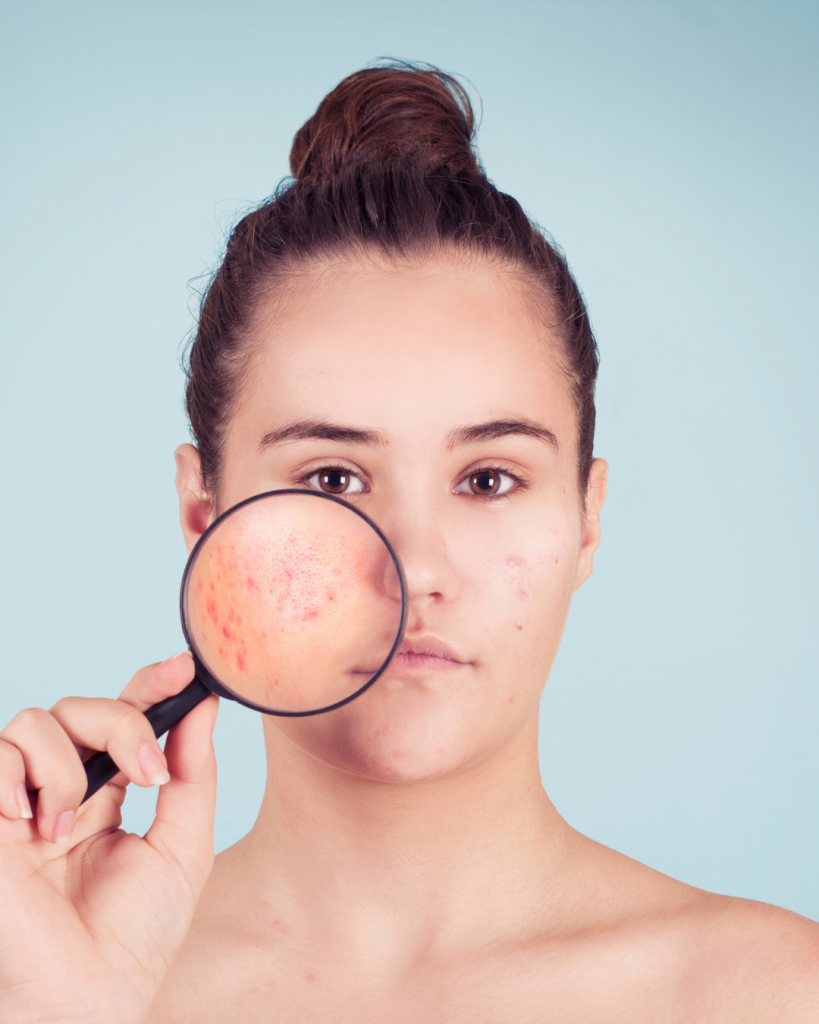
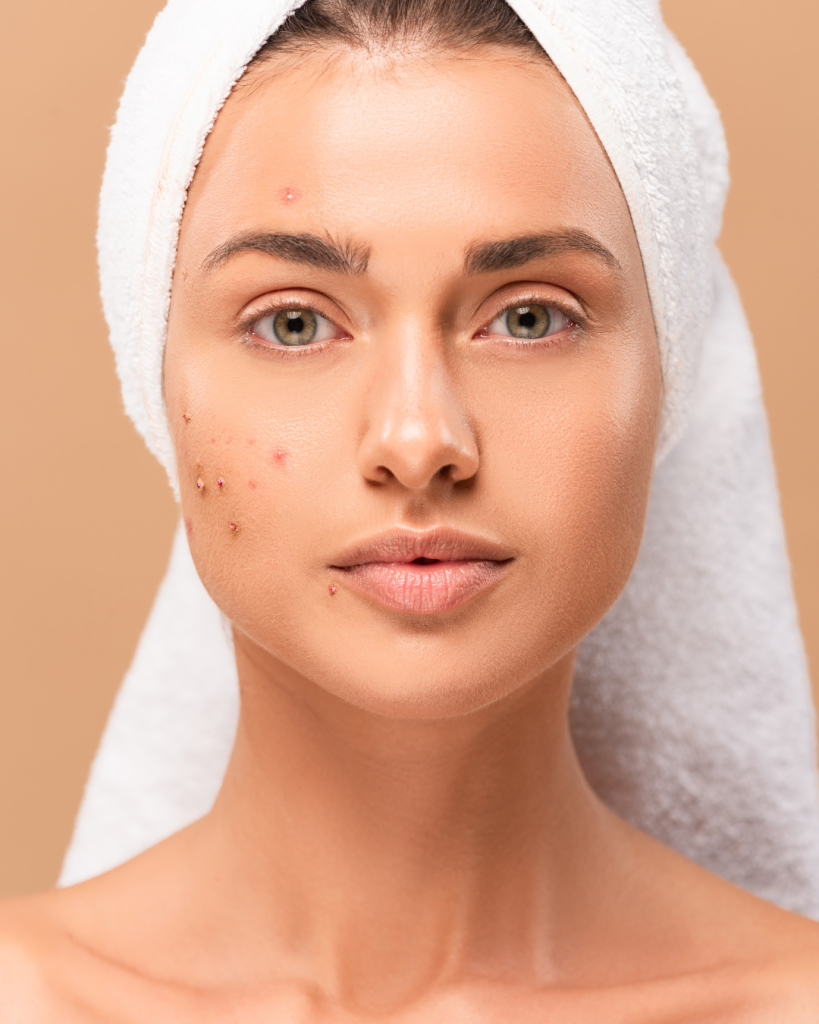
- Widespread patches of itchy, uniform bumps on the chest, back, or face.
- Flare-ups that worsen with sweating, humid weather, or certain skincare products.
- Confusion between fungal acne and bacterial acne – the two often look similar but require different treatments.
If any of these sound familiar, professional guidance can make all the difference.
Why fungal acne often needs expert guidance
Unlike typical acne, fungal acne is caused by yeast overgrowth rather than bacteria. That’s why traditional acne products like benzoyl peroxide or salicylic acid often don’t work – and can sometimes make things worse. An expert can:
- Properly identify whether your breakouts are fungal, bacterial, or a mix of both.
- Prescribe effective oral or topical antifungal treatments.
- Customize a skincare plan that prevents recurrence and keeps your skin barrier strong.
Getting the right diagnosis early can save you months of trial-and-error with over-the-counter products.
What to expect at Eco Lilly Spa (custom acne treatments in Toronto)
At Eco Lilly Spa, we take a personalized, holistic approach to acne treatment. When you book a consultation, you can expect:
- A thorough skin analysis to identify whether your acne is fungal, bacterial, or mixed.
- Gentle, targeted treatments designed to clear breakouts without harming your skin barrier.
- Customized guidance on skincare routines and lifestyle adjustments to reduce flare-ups.
- A relaxing, supportive spa environment in Toronto where your skin health is our top priority.
Our goal is to help you achieve clear, balanced skin – and the confidence that comes with it.
FAQs about fungal acne
Is fungal acne contagious?
No – fungal acne isn’t contagious in the way bacterial infections are. It develops when yeast already present on your skin grows out of balance, often due to sweat, humidity, or a weakened skin barrier.
Can fungal acne go away on its own?
Mild cases may improve with better hygiene and breathable fabrics, but most fungal acne needs targeted antifungal treatments. Without the right care, it often lingers or keeps coming back.
Can I treat fungal acne at home?
Yes, you can start with over-the-counter options like antifungal shampoos (used as a body wash) or sulfur-based cleansers. However, if symptoms don’t improve in 2–3 weeks, it’s best to consult a professional.
Does diet affect fungal acne?
There’s some evidence that diets high in sugar and refined carbs can feed yeast overgrowth. Supporting gut health with a balanced diet may help, but diet alone usually isn’t enough to clear fungal acne.
What skincare products should I avoid if I have fungal acne?
Avoid heavy oils, occlusive creams, or products with fatty acids that feed yeast. Look instead for lightweight, non-comedogenic, and antifungal-friendly formulas.
What’s the difference between fungal acne and heat rash?
Heat rash usually appears as tiny red bumps or blisters after sweating and clears quickly. Fungal acne looks like uniform, itchy bumps (often with pus) and tends to persist or worsen without antifungal care.
Conclusion & call to action
Fungal acne is common, often mistaken for regular acne, and can be frustrating if not treated properly. The good news? With the right combination of skincare, lifestyle adjustments, and professional treatments, it can be effectively managed.
At Eco Lilly Spa, we specialize in custom acne solutions that address both the root causes and the surface symptoms – so your skin looks clearer, healthier, and more balanced.
If you’re struggling with stubborn breakouts in Toronto and aren’t sure if it’s acne or fungal acne, book a consultation at Eco Lilly Spa today. Our tailored acne treatments are designed to restore your skin’s health and confidence.


Leave a Reply