

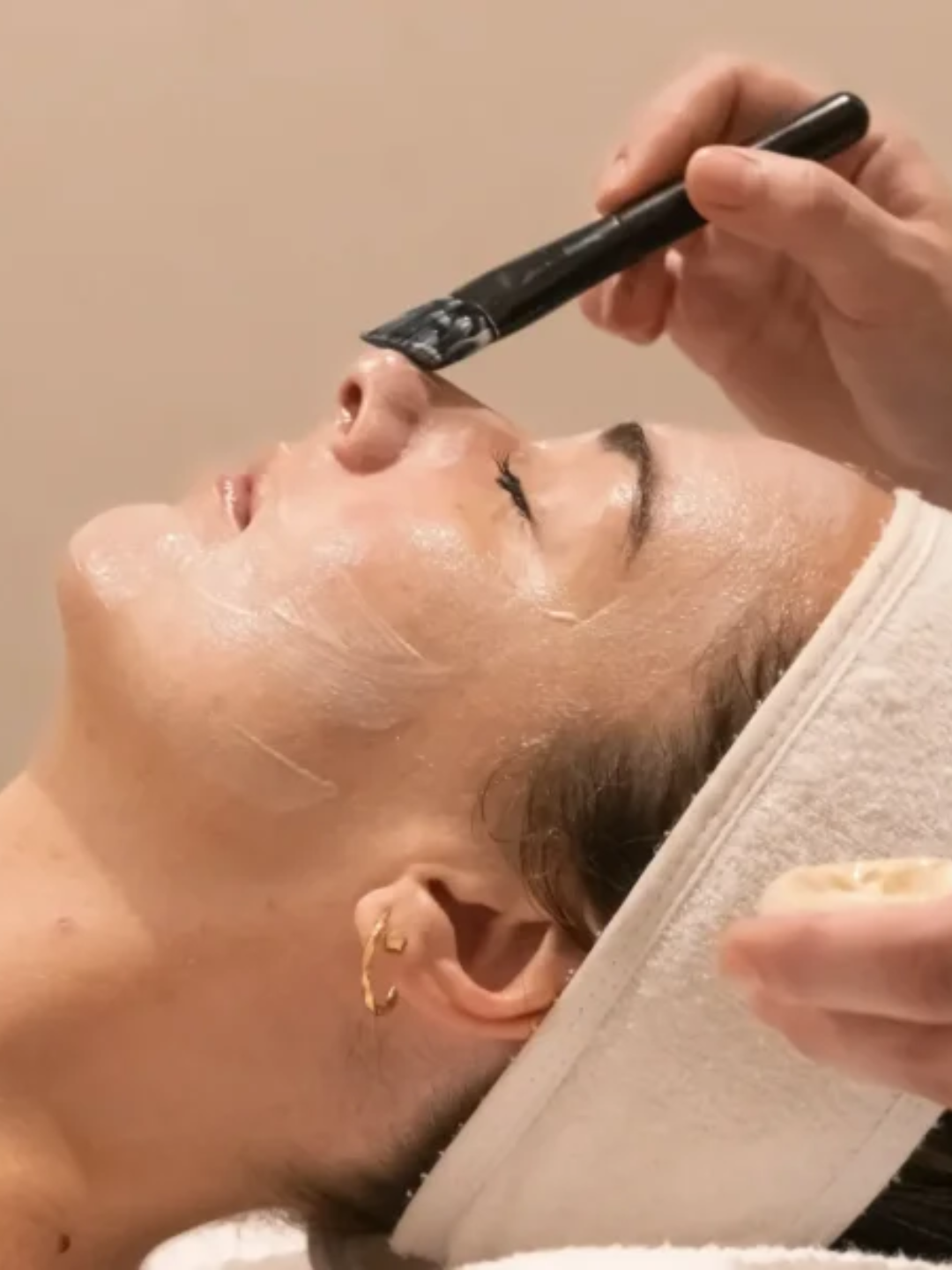
Skin Barrier Repair Facial in Toronto
Redness, stinging, flaky patches, and sudden breakouts may not mean your skin is “bad” — they can be signs of a damaged barrier. When your skin barrier becomes weakened from over-exfoliation, harsh skincare products, or dry Toronto winters, your skin struggles to hold moisture and protect itself from irritation. A skin barrier repair facial focuses on calming inflammation, restoring hydration, and helping sensitive skin recover gently.
In this guide, you’ll learn how to recognize a damaged skin barrier, what causes it, and which professional treatments can support healing. We’ll also cover the best ingredients for recovery, treatments to avoid during irritation, and how long barrier repair usually takes. At Eco Lilly Spa in Toronto, barrier-focused facials are often customized for sensitive, acne-prone, and dehydrated skin.
What Is a Skin Barrier Repair Facial?
Your skin barrier is the outer protective layer that helps keep moisture in and irritants out. When this barrier becomes weakened, your skin may feel dry, sensitive, inflamed, or easily reactive. A skin barrier repair facial is designed to support recovery by restoring hydration and reducing visible irritation without overwhelming the skin.
Unlike traditional facials that may focus heavily on exfoliation or extractions, barrier-focused treatments prioritize calming and strengthening the skin. Gentle techniques are especially important when your skin already feels tight, flaky, or uncomfortable.
Common elements in a barrier repair facial often include:
- hydration-focused serums and masks
- ceramides to support moisture retention
- soothing ingredients that calm visible redness
- LED therapy to reduce inflammation
- gentle cleansing without harsh scrubs or strong acids
Research suggests that maintaining a healthy skin barrier helps reduce water loss and improve overall skin resilience. This is why many professionals recommend avoiding aggressive treatments while your skin is actively irritated.
Sensitive or acne-prone skin usually responds better to consistent, calming care than overly strong treatments.
Signs Your Skin Barrier Is Damaged
Your skin barrier usually keeps moisture in and irritants out. When it becomes damaged, your skin reacts faster and feels uncomfortable more often. Damaged skin barrier symptoms can appear gradually or suddenly, especially after using strong active ingredients too often.
Common signs include:
- persistent redness
- tightness after cleansing
- dry or flaky patches
- burning or stinging when applying skincare
- increased sensitivity
- rough texture or unexpected breakouts
Research suggests that a weakened skin barrier can increase inflammation and water loss, making skin more reactive to everyday products and environmental stress.
Can a Damaged Skin Barrier Cause Acne?
Yes. When your barrier is compromised, your skin may produce excess oil while becoming inflamed and dehydrated at the same time. This imbalance can trap bacteria and lead to breakouts. Many people mistake these symptoms for stubborn acne and respond with stronger exfoliants, which often worsens irritation.
Why Over-Exfoliation Makes Skin Worse
Using acids, scrubs, or retinol too frequently can strip away protective oils and weaken the outer layer of your skin. You may notice your skincare suddenly burns, even products that once felt gentle. Over-exfoliated skin often looks shiny, feels sensitive, and breaks out more easily.
What Causes Skin Barrier Damage?
Your skin barrier can become damaged when it faces more stress than it can recover from. In many cases, irritation develops slowly from everyday skincare habits rather than one single product. Skin barrier damage is especially common in people using strong acne treatments, exfoliants, or multiple active ingredients at once.
Research suggests that over-cleansing and excessive exfoliation can weaken the skin’s protective layer, leading to increased dryness, sensitivity, and inflammation.
Skincare Habits That Damage the Barrier
Some of the most common triggers include:
- overusing acids like AHAs and BHAs
- applying retinol too frequently
- harsh cleansers that strip natural oils
- physical scrubs with rough particles
- layering too many active products together
Many people try to “fix” breakouts by using stronger skincare, but this can leave skin even more reactive. When your barrier is already compromised, aggressive products often increase redness and irritation instead of improving texture.
Toronto Weather and Dry Skin
Cold weather, indoor heating, and seasonal temperature changes in Toronto can also affect your skin barrier. During winter, dry air pulls moisture from the skin more quickly, making tightness and flaking worse. Pollution and wind exposure may add further stress, especially if your skin is already sensitive.
Best Professional Treatments for Barrier Repair
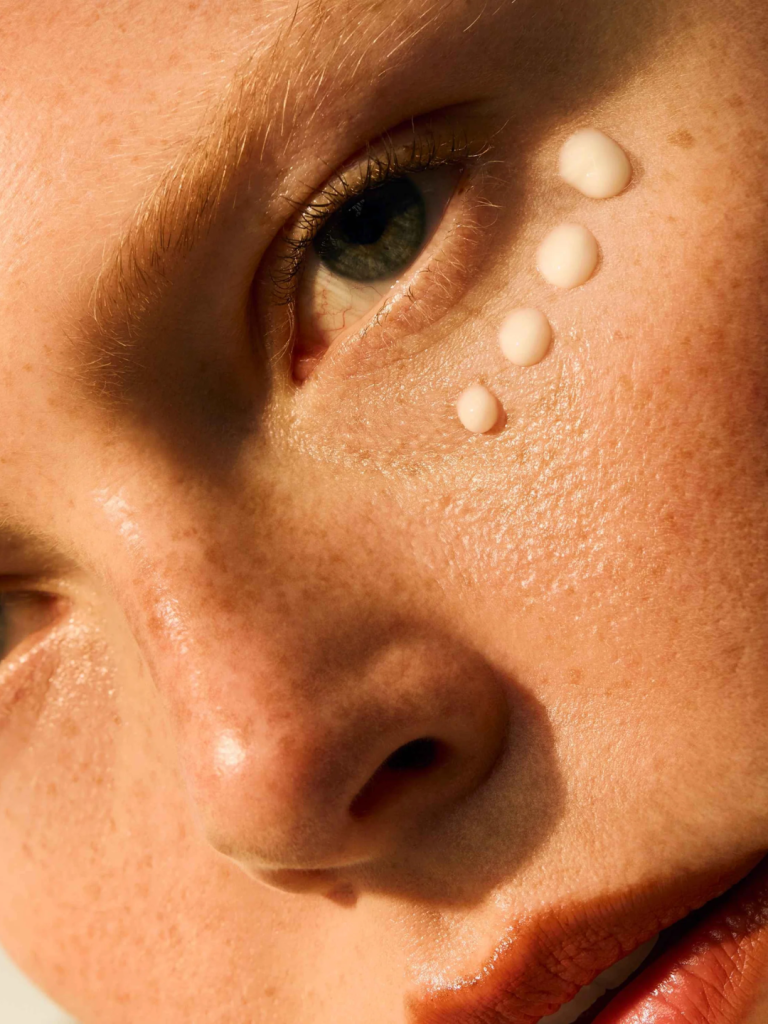
When your skin feels irritated and reactive, the right professional treatment can support healing without overwhelming your barrier further. A skin barrier repair facial should focus on hydration, calming inflammation, and protecting sensitive skin while avoiding aggressive exfoliation.
Some of the most effective professional treatments include:
- oxygen infusion facials to boost hydration and comfort dry skin
- LED light therapy to visibly calm redness and support recovery
- hydration facials with ceramides and soothing ingredients
- gentle enzyme treatments that exfoliate without harsh scrubbing
Studies show that LED light therapy may help reduce visible inflammation and improve skin recovery when used appropriately for sensitive skin.
Treatments to Avoid During Active Irritation
If your skin barrier is compromised, strong chemical peels, rough scrubs, and aggressive exfoliation can worsen sensitivity. Even treatments that usually improve texture may need to be paused temporarily while your skin heals.
Microneedling should also wait until redness, stinging, and irritation are under control. Once your barrier becomes healthier again, treatments like SkinPen microneedling may be reintroduced gradually with professional guidance.
Acne Treatments and Barrier Health
Many acne-focused products dry out the skin while reducing oil and breakouts. When the barrier becomes weakened, inflammation can increase and acne may become harder to manage. Balancing acne care with hydration and barrier support often leads to healthier, calmer skin over time.
Best Ingredients for Skin Barrier Repair
The right ingredients can help your skin recover faster while reducing dryness and irritation. When choosing products for a skin barrier repair facial or home routine, focus on ingredients that support hydration and strengthen the skin’s natural protective layer.
Studies show that ceramides and humectants can improve moisture retention and reduce visible sensitivity in compromised skin.
Some of the most helpful ingredients include:
- ceramides to reinforce the skin barrier and prevent moisture loss
- hyaluronic acid to attract and hold water in the skin
- niacinamide to calm redness and support barrier function
- glycerin to improve hydration and soften dry areas
- squalane to nourish the skin without feeling heavy
When your skin feels inflamed or reactive, simplifying your routine is often more effective than adding multiple active products.
Helpful Ingredients | Avoid Temporarily |
Ceramides | Strong exfoliating acids |
Hyaluronic acid | Harsh scrubs |
Squalane | Overuse of retinol |
Glycerin | Alcohol-heavy toners |
Niacinamide | Frequent peeling treatments |
Gentle, barrier-supportive skincare can also help reduce irritation caused by strong acne products or over-exfoliation.
How Long Does Skin Barrier Repair Take?
Healing time depends on how damaged your skin barrier is and how consistently you support recovery. Mild dryness or irritation may improve within a few days, while more severe sensitivity can take several weeks. If your skin has been over-exfoliated for a long time, recovery may feel slower.
Studies show that a simplified skincare routine helps reduce irritation and supports healthier barrier function over time. Using too many products during recovery can delay healing and trigger more inflammation.
A gentle routine usually works best:
- mild cleanser
- hydrating serum
- barrier-supportive moisturizer
- daily sunscreen
Avoid switching products too often while your skin is recovering. Consistency matters more than having a complicated routine.
Signs your barrier is improving may include:
- less redness and tightness
- reduced stinging when applying skincare
- smoother texture
- fewer dry patches
- calmer, more balanced skin overall
If your skin still feels reactive after several weeks, professional guidance may help identify treatments or products that are slowing recovery.
Frequently Asked Questions About Skin Barrier Repair Facials
What is a skin barrier repair facial?
A skin barrier repair facial is a gentle treatment designed to calm irritation, restore hydration, and support your skin’s natural protective barrier. It usually includes soothing ingredients, hydrating masks, and non-aggressive techniques that help sensitive skin recover comfortably.
How do I know if my skin barrier is damaged?
Common signs include redness, tightness, burning, flaking, and increased sensitivity to skincare products. Your skin may also feel dry and oily at the same time or suddenly react to products that never caused irritation before.
Can a damaged skin barrier cause acne?
Yes. When your skin barrier becomes weakened, inflammation and dehydration can increase oil imbalance and make breakouts worse. Overusing acne treatments may also irritate the skin further and slow healing.
How long does skin barrier repair take?
Mild irritation may improve within several days, while more severe damage can take weeks to recover. A simple routine with gentle skincare and consistent hydration usually supports faster healing.
Is microneedling safe for a damaged skin barrier?
Microneedling is best avoided while your skin feels actively irritated, red, or sensitive. Once the barrier becomes healthier again, treatments like SkinPen microneedling may be introduced gradually under professional guidance.
What facial is best for sensitive skin in Toronto?
Hydration-focused facials with calming ingredients and LED therapy are often good options for sensitive skin. At Eco Lilly Spa in Toronto, treatments are customized based on your skin condition and sensitivity level.
Conclusion
Healthy skin starts with a strong barrier. When you reduce irritation, simplify your skincare routine, and focus on hydration, your skin often becomes calmer, more comfortable, and less reactive over time. Professional treatments can also support recovery when sensitivity and dryness become difficult to manage at home.
If your skin feels stressed, dehydrated, or easily irritated, a customized Hydration Facial at Eco Lilly Spa on Yonge Street in Toronto can help restore moisture and improve overall skin comfort. Gentle barrier-focused treatments are tailored to your skin’s condition and recovery needs. [Book online: https://www.dashbooking.com/salon/eco-lilly-spa]


Leave a Reply